About ISR Lessons

What Your Child Will Learn In ISR Lessons

ISR’s unique results are achieved through fully customized, safe and effective, one-on-one lessons with only your child and the Instructor in the water. What your child will learn, and the way he or she will learn it, is what makes ISR so different from traditional swimming lessons. Always putting safety first, ISR emphasizes competence, which leads to confidence, and provides the foundation for a lifetime of enjoyment in and around the water.

Rollback to float

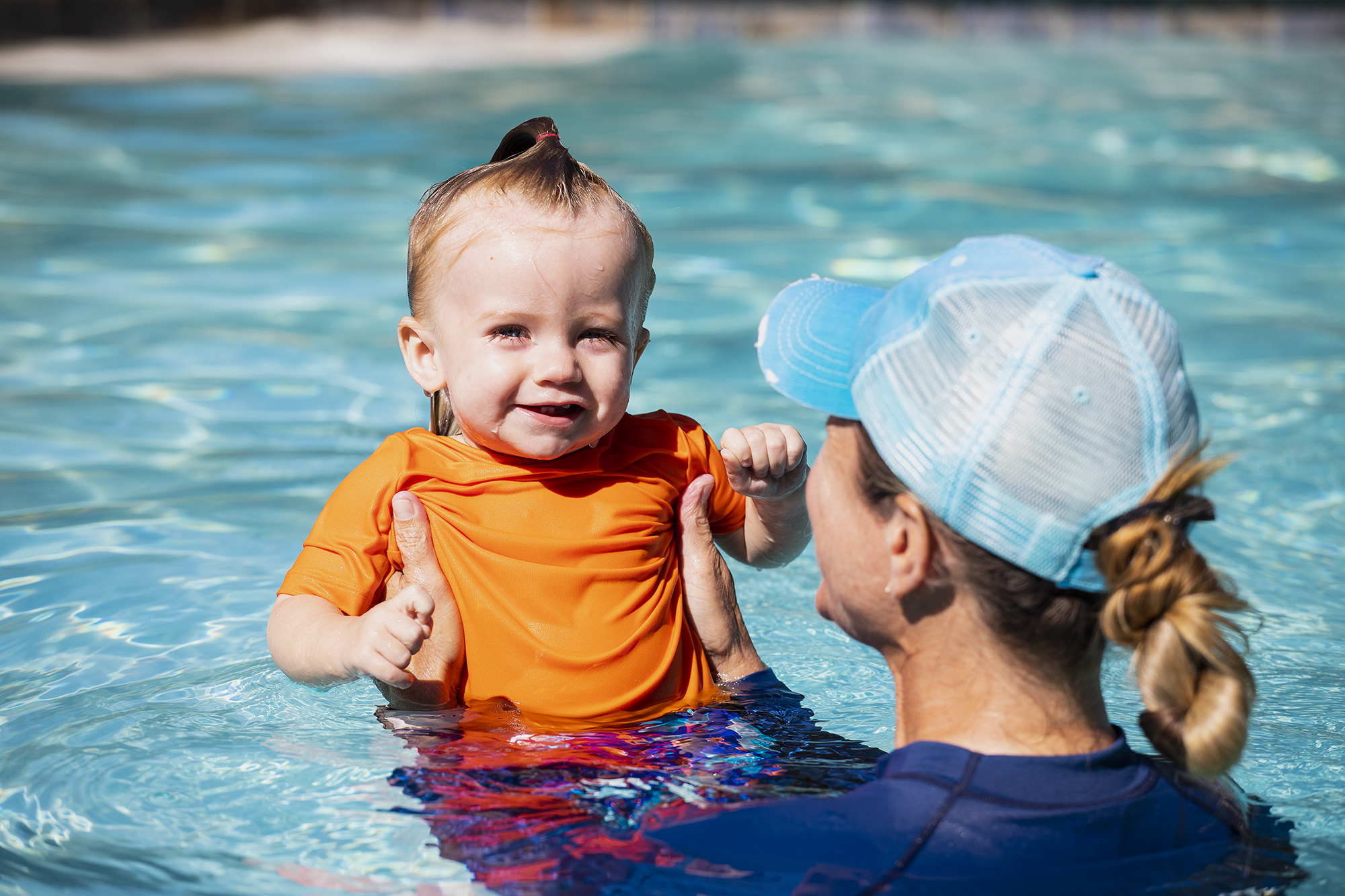
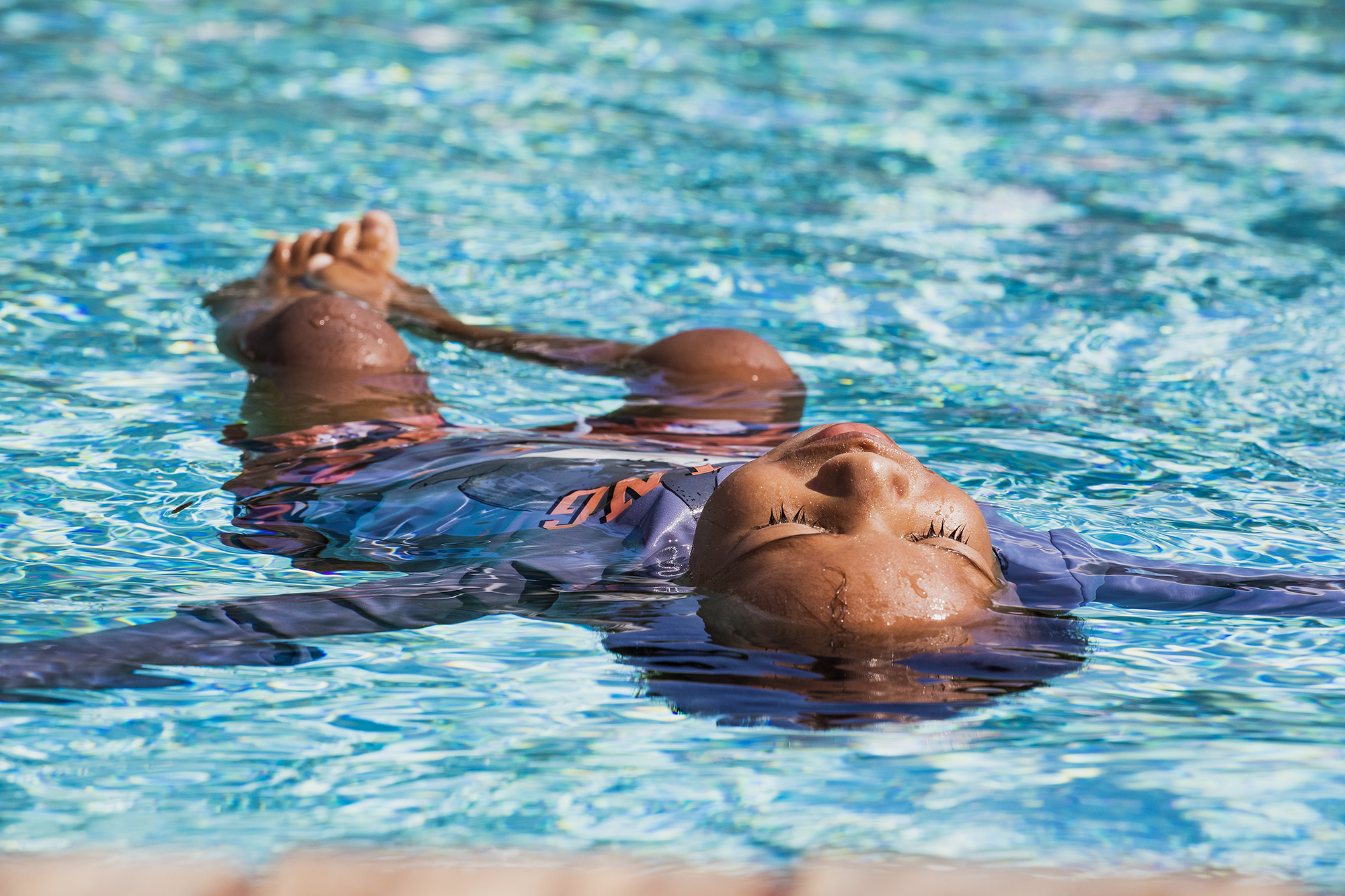
All students, even those as young as 6 months old, learn the fundamental ISR skill of rolling onto their backs to float, rest, and breathe. Infants and toddlers who are not yet walking well will learn to maintain this position until help can reach them, and it's just as important for our older students as they incorporate more swimming skills.
Swim Float Swim

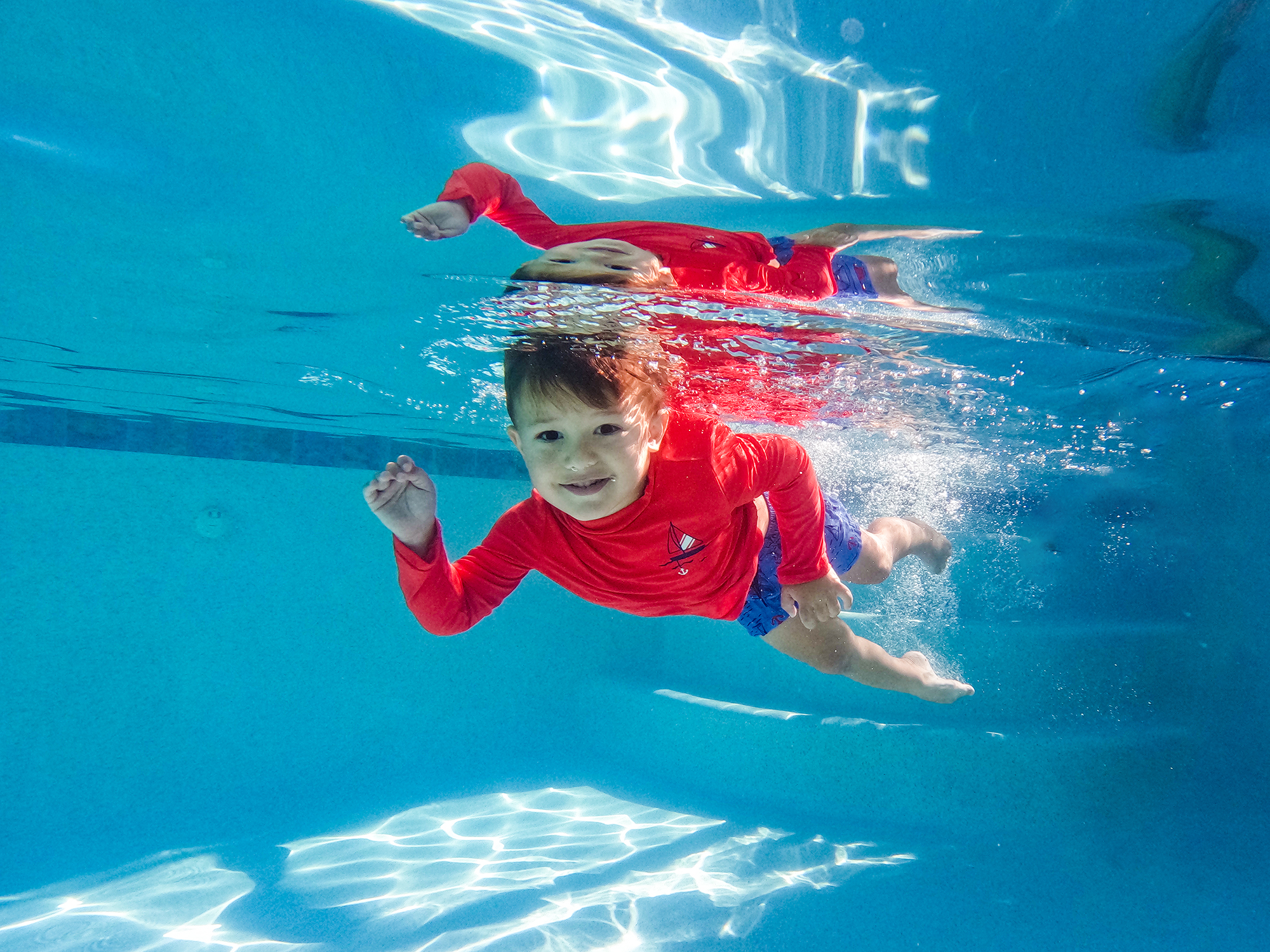
As toddlers and young children gain more physical skills on land, they are ready to learn more skills in the water as well. ISR teaches children to swim a short distance, rotate onto their back to a floating position, and then turn over to continue the sequence of swimming and floating until they can reach safety at the steps, side of the pool, or shoreline.

FAQs
Why don’t parents participate in the water during the lessons?
We do not want the baby to initially associate the water with the love, attention, and affection of the parent while in the water. Also, it takes incredible concentration and objectivity to teach the baby how to respond to an aquatic emergency and our experience shows that parents often find it too difficult to be objective to be effective teachers with their own children in the water. We gladly invite parents to join us in the pool once their child has independent skills to practice at home.
How do you teach them to hold their breath?
Breath holding skills are taught beginning with the first lesson. We shape breath control using highly effective positive reinforcement techniques. We continue to reinforce these breath-holding techniques throughout every lesson.
Will my child fear the water because of lessons?
There is an important difference between being fearful and being apprehensive because you are not yet skilled in a new environment. ISR is not like traditional swim lessons; it is a drowning prevention program that teaches survival swimming. Sometimes as a parent, you make choices for your child’s safety, like sitting in a car seat, because you know they are important. The same can be said for ISR. Fun can be defined as when skill meets challenge. Once competent in their skills, many children cannot be dragged away from the pool. They are having entirely too much FUN.
How is it that babies can learn to respond to the danger of water when they fall in?
A baby does not need to perceive danger or be afraid to respond appropriately to being underwater. If a baby has learned to roll over and float when he needs air, he doesn't need to perceive danger in order to respond in this manner. He needs skill, practice and confidence to calmly deal with the situation.

Ready to Get Started?

We would love to hear from you.